





Transforming Public Health: Our Bold Vision for Data-Driven Prevention
 admin
adminNavigation
The future of public health isn’t just about treating illness—it’s about predicting and preventing it before it starts. A groundbreaking methodological document developed for Slovakia’s Banská Bystrica region outlines an ambitious framework called “Public Health 3.0,” which reimagines how we approach chronic disease prevention among children and youth through the power of data, technology, and community partnerships.
The Data Revolution in Healthcare
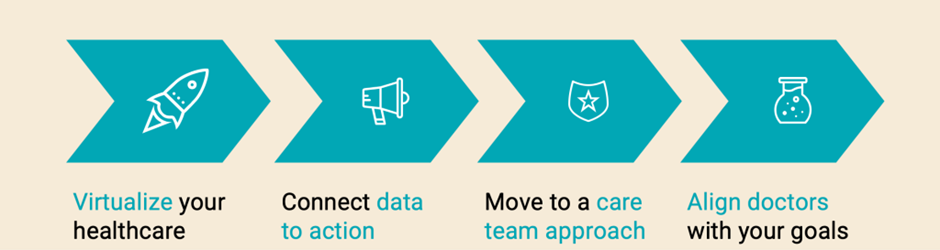
At the heart of this transformation lies a simple yet profound shift: moving from reactive healthcare to predictive prevention. By harnessing big data, artificial intelligence, and wearable technology, health authorities can identify at-risk individuals before chronic conditions develop. The document emphasizes that lifestyle factors account for 50-60% of overall health outcomes, making early intervention not just beneficial but essential for addressing rising rates of childhood obesity, diabetes, and mental health challenges.
The approach requires building robust data infrastructure that connects information from electronic health records, schools, environmental sensors, and even personal fitness devices. Following “MyData” principles, individuals maintain control over their health information while enabling seamless sharing with healthcare providers, creating a patient-centered ecosystem that respects privacy while maximizing preventive potential.
Value-Based Healthcare: Paying for Results
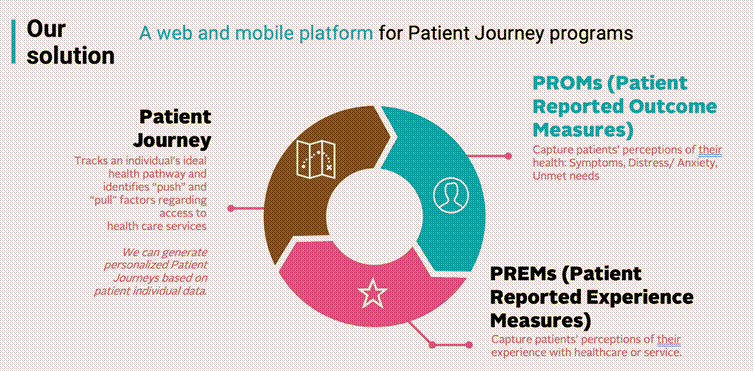
Perhaps the most revolutionary aspect of Public Health 3.0 is the shift toward value-based healthcare, where providers are rewarded not for services rendered but for measurable health improvements achieved. This means pediatricians, schools, health counselors, and community organizations would share common goals and financial incentives tied to concrete outcomes like reduced obesity rates, better diabetes management, and improved quality of life scores.
Currently, Slovakia allocates only 1% of healthcare spending to prevention, compared to the EU average of 3%. The document argues that strategic investment in predictive prevention—supported by standardized health metrics from organizations like ICHOM—could generate substantial long-term savings while dramatically improving population health outcomes.
Building the Ecosystem of Tomorrow
Success requires more than technology; it demands unprecedented collaboration across sectors. The framework envisions strategic partnerships connecting public health authorities with schools, families, healthcare providers, municipalities, and community organizations. Each stakeholder plays a crucial role in creating environments that support healthy choices, from school nutrition programs to urban planning that encourages physical activity.
The vision is ambitious but achievable: a healthcare system where every child receives personalized prevention guidance based on their unique risk profile, where data flows seamlessly between caregivers, and where success is measured not by hospital visits avoided but by healthy, thriving young people. Slovakia’s Public Health 3.0 framework offers a compelling roadmap for any nation ready to embrace the future of preventive healthcare.
If you like to explore more about this topic, the full methodology is available for download (Metodicky dokument pre optimalizaciu politiky).
Contributors: Dagmar Celuchova Bosanska, Adriana Ciefova